-
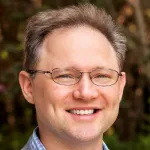
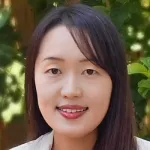
Bio-X Affiliated FacultyDr. Porter is the director of pediatric epilepsy at Stanford Children's Health. Her clinical and transitional research focus is on understanding epileptogenesis and developing therapies to prevent epilepsy. -
Brad Zuchero - Assistant Professor of Neurosurgery
Bio-X Affiliated FacultyThe Zuchero Lab aims to uncover how glial cells regulate neural development and how their dysfunction contributes to diseases like multiple sclerosis (MS) and in injuries like stroke. -
Brad Osgood - Professor of Electrical Engineering and (by courtesy) in Education
Bio-X Affiliated FacultyDr. Brad Osgood is a mathematician by training and applies techniques from analysis and geometry to various engineering problems. He is interested in problems in imaging, pattern recognition, and signal processing.
-
Boris Heifets - Assistant Professor of Anesthesiology, Perioperative & Pain Medicine
Bio-X Affiliated FacultyDr. Boris Heifets's research group is dedicated to understanding and improving on powerful, rapid-acting therapies for psychiatric disease, such as ketamine, MDMA and psilocybin. They bridge basic science and clinical trials, connecting neuroscience, psychiatry and anesthesiology in pursuit of highly effective, safe treatment strategies scalable to the millions of patients who need them.
-
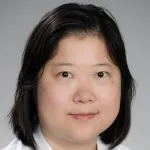
Bomi Lee - Assistant Professor of Pediatrics (Gastroenterology, Hepatology, & Nutrition)
Bio-X Affiliated FacultyDr. Bomi Lee's lab is dedicated to unraveling the complexities of the immune microenvironment and its role in the pathogenesis of pancreatic diseases, such as pancreatitis and pancreatic cancer. By leveraging cutting-edge technology, innovative experimental and genetic animal models, as well as human specimens from donors, we aim to identify novel immune markers and potential therapeutic targets. Our goal is to advance the understanding of immune cells and their contributions to these diseases and to translate our findings into innovative treatments.
-
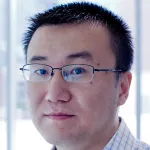
Bo Yu - Associate Professor of Obstetrics & Gynecology (Reproductive Endocrinology & Infertility)
Bio-X Affiliated FacultyDr. Yu’s team is interested in assisted reproductive technologies (ART) and ovarian carcinogenesis. The main goals are to: 1) Develop non-invasive preimplantation and preconception genetic testing; 2) Understand the initiating events of ovarian cancer for early detection; and 3) Examine the impact of ART on the long-term health and future generations. They use animal and organoid model, and a combination of cellular & molecular biology, genomics, and molecular imaging methods in their studies. -
Bo Wang - Associate Professor of Bioengineering and (by courtesy) of Developmental Biology
Bio-X Affiliated FacultyDr. Wang's research group is discovery-driven, working at the interface between statistical physics, developmental biology, and bioengineering. -
Birgitt Schuele - Associate Professor (Research) of Pathology
Bio-X Affiliated FacultyThe Schuele lab works on gene discovery and novel stem cell technologies to generate stem cell models from patients with Parkinson’s disease to understand the underlying causes of neurodegeneration and to develop biomarkers and new therapies for Parkinson’s disease. -
Biondo Biondi - Barney and Estelle Morris Professor
Bio-X Affiliated FacultyDr. Biondo Biondi and his students devise new algorithms to improve the imaging of active and passive seismic data. Images obtained from seismic data are the primary source of information on the structural and stratigraphic complexities in Earth's subsurface and on many subsurface dynamic processes. These images are constructed by processing seismic wavefields recorded at the Earth's surface and generated by either active-source (e.g., vibroseis trucks) experiments or by natural (e.g., ocean waves) and anthropogenic (e.g., vehicle traffic) sources.
-
Bingwei Lu - Professor of Pathology
Bio-X Affiliated FacultyDr. Bingwei Lu's laboratory is interested in understanding how the diverse neuronal cell types are generated and maintained in the nervous system. They are taking a combined molecular, cellular, genetic, and genomic approach in the model organisms Drosophila and mouse. To study how neuronal diversity is generated, the Lu lab focuses on investigating the mechanisms of asymmetric division of neural stem cell that balances the self-renewal and differentiation potentials of neural stem cells.