-
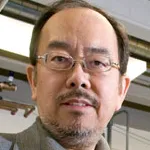
Bio-X Affiliated FacultyThe Gold group is studying the application of new MR imaging techniques such as rapid imaging, real-time imaging, and short echo time imaging to learn more about biomechanics and pathology of bones and joints. -
Gabrielle Wong-Parodi - Assistant Professor of Earth System Science, Center Fellow at the Woods Institute for the Environment and Assistant Professor at the Stanford Doerr School of Sustainability
Bio-X Affiliated FacultyDr. Gabrielle Wong-Parodi is an Assistant Professor in the Department of Earth System Science and Center Fellow at the Woods Institute for the Environment at Stanford University. She is an interdisciplinary social scientist, theoretically grounded in psychology and decision science, who seeks to understand (1) how people make decisions to address the impacts of climate change, and (2) how robust interventions can empower them to make decisions that serve their lives, communities, and society. Her work focuses on frontline communities who experience the "first and worst" of climate change.
-
Gabriella M. Harari - Assistant Professor of Communication
Bio-X Affiliated FacultyDr. Gabriella Harari is an Assistant Professor in the Department of Communication at Stanford University, where she directs the Media and Personality Lab.
-
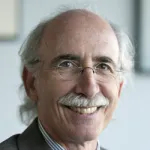
Fu-Kuo Chang - Professor of Aeronautics and Astronautics and (by courtesy) of Mechanical Engineering
Bio-X Affiliated FacultyDr. Chang's primary research interests are in the areas of multi-functional materials and intelligent structures with particular emphases on structural health monitoring, intelligent self-sensing diagnostics, and integrated health management for space and aircraft structures as well safety-critical assets and medical devices. -
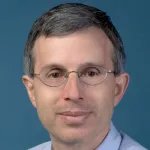
Fredric Kraemer - Gerald M. Reaven, MD, Professor of Endocrinology, Emeritus
Bio-X Affiliated FacultyDr. Kraemer's research interests are in the general area of cellular lipid and lipoprotein metabolism. -
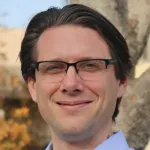
Frederick Dirbas - Associate Professor of Surgery (General Surgery)
Bio-X Affiliated FacultyDr. Frederick Dirbas's research interests are focused on improving therapy of breast cancer by refining existing diagnostic and treatment options, as well as introducing new methods that reduce side effects and improve quality of life for affected patients. Focuses include breast surgical oncology, accelerated partial breast irradiation, intraoperative radiotherapy, radiobiology of breast cancer, identification of markers of resistance to chemotherapy and radiation, and breast cancer stem cells.
-
Frank Willett - Assistant Professor of Neurosurgery
Bio-X Affiliated Faculty, Clark Center FacultyDr. Frank Willett is co-director of the Neural Prosthetics Translational Laboratory. The group develops brain-computer interfaces (BCIs) to restore movement and communication to people with neurological disorders. Recent contributions include handwriting and speech-based BCIs that set new records for communication speed and accuracy in people with paralysis. More broadly, they are interested in computational approaches to understanding brain function and recordings, with a focus on how the human brain represents movement and language.
-
Frank Longo - George E. and Lucy Becker Professor in Medicine and Professor (by courtesy) of Neurosurgery
Bio-X Affiliated FacultyDr. Longo's research group is focused on the discovery of cellular signaling mechanisms that serve as a basis for the development of novel therapeutic approaches for Alzheimer's disease, Huntington's disease and other neurological disorders. -
Francois Haddad - Clinical Assistant Professor of Medicine (Cardiovascular Medicine)
Bio-X Affiliated FacultyDr. Haddad's clinical focuses include heart transplantation, right heart failure, and cardiology. -
Florentine Rutaganira - Assistant Professor of Biochemistry and Developmental Biology
Bio-X Affiliated FacultyDr. Florentine Rutaganira uses choanoflagellates - the closest living single-celled relatives to animals - to study the origin of animal cell communication. Dr. Rutaganira applies chemical, genetic, and cell biological tools to probe choanoflagellate cell-cell communication, with implications for understanding not only animal cell signaling, but also the origin of multicellularity in animals.