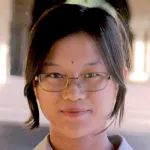
Brad Palanski - Bio-X Travel Awardee
Home Department: Chemistry
Faculty Advisor: Chaitan Khosla
Talk Title: Activation of Extracellular TG2
Event: 2016 Gordon Research Conference on Transglutaminases in Human Disease Processes
Home Department: Chemistry
Faculty Advisor: Chaitan Khosla
Talk Title: Activation of Extracellular TG2
Event: 2016 Gordon Research Conference on Transglutaminases in Human Disease Processes
Dr. Brad Osgood is a mathematician by training and applies techniques from analysis and geometry to various engineering problems. He is interested in problems in imaging, pattern recognition, and signal processing.
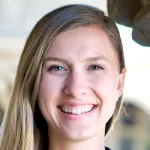
Home Department: Biophysics
Faculty Advisor: Stephen Smith
Talk Title: Single synapse quantification with array tomography
Event: Janella Farm, Light-based approaches to neural circuit reconstruction 2010
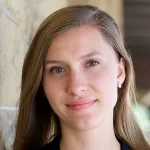
Home Department: Biomedical Physics
Faculty Advisor: Adam Wang
Talk Title: Increasing spatial resolution in photon counting CT by exploiting the non-linear partial volume effect
Event: SPIE Medical Imaging 2025
Home Department: undeclared
Mentor: William Goodyer (Pediatrics)
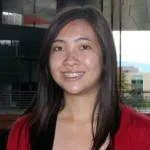
Home Department: Electrical Engineering and Radiation Oncology
Faculty Advisor: Lei Xing
Talk Title: Single-scan scatter correction in cone beam CT using stationary boundary blockers and compressed sensing
Event: AAPM Meetings 2012 - American Association of Physicists in Medicine
Dr. Boris Heifets's research group is dedicated to understanding and improving on powerful, rapid-acting therapies for psychiatric disease, such as ketamine, MDMA and psilocybin. They bridge basic science and clinical trials, connecting neuroscience, psychiatry and anesthesiology in pursuit of highly effective, safe treatment strategies scalable to the millions of patients who need them.
Dr. Bomi Lee's lab is dedicated to unraveling the complexities of the immune microenvironment and its role in the pathogenesis of pancreatic diseases, such as pancreatitis and pancreatic cancer. By leveraging cutting-edge technology, innovative experimental and genetic animal models, as well as human specimens from donors, we aim to identify novel immune markers and potential therapeutic targets. Our goal is to advance the understanding of immune cells and their contributions to these diseases and to translate our findings into innovative treatments.