Over 1,300 faculty are affiliated with Stanford Bio-X and are eligible to apply for our grants and be notified about fundraising opportunities, collaborations with industries, events, courses and available facilities and instruments. Learn how to become an affiliate!

Search Stanford Bio-X affiliated faculty

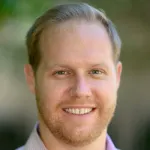
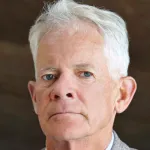
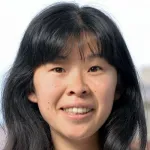
Photo of Dr. Wendy Gu, Assistant Professor of Mechanical Engineering at Stanford University.

Wendy Gu - Assistant Professor of Mechanical Engineering and (by courtesy) Materials Science & Engineering

Bio-X Affiliated Faculty

Dr. Wendy Gu's group studies the mechanical behavior of nanomaterials. They work at the intersection of solid mechanics, materials science and nano-chemistry. They research the unique properties of nanoscale metals, ceramics and nano-architected composites in order to design strong, tough and lightweight structural materials, materials for extreme environments, and mechanically-actuated sensors. The Gu group's experimental tools include nanoindentation, electron microscopy, and colloidal synthesis.
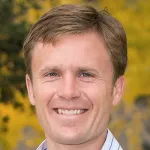
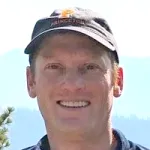
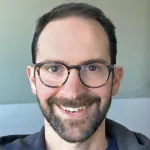
Photo of Dr. Marshall Burke, Assistant Professor of Earth System Science at Stanford University.

Marshall Burke - Assistant Professor of Earth System Science

Bio-X Affiliated Faculty

Dr. Marshall Burke is an assistant professor in the Department of Earth System Science, deputy director at the Center on Food Security and the Environment, and center fellow at the Freeman Spogli Institute for International Studies (FSI) at Stanford University. He is also a faculty research fellow at the National Bureau of Economic Research, and a co-founder of AtlasAI, a remote sensing start-up.

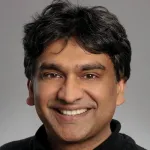
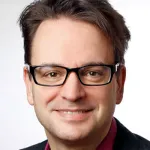
Photo of Dr. Bali Pulendran, Professor of Pathology and Microbiology & Immunology at Stanford University.

Bali Pulendran - Violetta L. Horton Professor and Professor of Microbiology & Immunology

Bio-X Affiliated Faculty

Dr. Bali Pulendran’s work focuses on understanding the mechanisms by which the innate immune system regulates adaptive immunity and harnessing such mechanisms in the design of novel vaccines against global pandemics. More recently, he has begun to apply systems biological approaches to predicting the efficacy of vaccines, and deciphering new correlates of protection against infectious diseases.

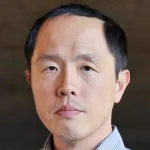
Photo of Dr. Hannes Vogel, Professor of Pathology and Genetics at Stanford University.

Hannes Vogel - Professor of Pathology and of Pediatrics and (by courtesy) of Neurosurgery and Comparative Medicine

Bio-X Affiliated Faculty

Dr. Hannes Vogel's chief research interests are in mitochondrial diseases, muscle and nerve diseases, brain tumors, and animal models of human disease. Dr. Vogel is also the Director of the Stanford Research Core Histology Laboratory, which is of central importance to many Stanford research endeavors and to medical scientist development.

Photo of Dr. Peter Tass, Professor of Neurosurgery at Stanford University.

Peter Tass - Professor of Neurosurgery

Bio-X Affiliated Faculty

Dr. Peter Tass investigates and develops neuromodulation techniques for understanding and treating neurologic conditions such as Parkinson’s disease, epilepsy, dysfunction following stroke and tinnitus. He creates invasive and non-invasive therapeutic procedures by means of comprehensive computational neuroscience studies and advanced data analysis techniques. The computational neuroscience studies guide experiments that use clinical electrophysiology measures, such as high density EEG recordings and MRI imaging, and various outcome measures.

Pages