
Welcome to Bio-X

Welcome to Bio-X

  • Support
  • Contact
  • About
    • Bio-X History
    • Contact Us
    • Clark Center
      • Map & Directions
      • Tours
      • Dining Options
    • Building Services
      • Room Scheduling
      • IT
      • General Facilities Issues
      • Urgent Facilities Issues
      • Non-Emergency Facilities Requests
      • Building Access Request
      • Lab Safety
      • Shared Equipment
    • FAQ
  • People
  • Research
    • Seed Grants
      • Browse Seed Grants
    • Visiting Scholars/Visiting Postdocs
    • PhD Fellows
    • Undergraduate Research
    • Ventures
      • Food@Stanford
      • NeuroVentures
    • Travel Awards
    • Research Partners
    • Browse Videos
    • Browse All Research
  • Highlights
    • Videos
      • Clark Center @ 10x Video
    • Bio-X in the News
  • Videos
    • USRP Faculty Talks
    • Symposium Lectures
    • Additional Videos
  • Events
    • Upcoming Events
    • Archive
    • USRP 2019 - Genetics of social behavior: Understanding how we mate, fight, and parent
    • Talk Videos
  • Get Involved
    • Faculty
    • Students
      • Courses & Workshops
    • Alumni & Friends
    • Corporations
      • Partnership Models
      • Benefits of Partnership
      • Corporate Member Projects
      • Corporate Forum Newsletter Archive
    • Browse Videos
    • Seminar Series
      • Stanford Bio-X Frontiers in Interdisciplinary Biosciences: 2019/2020
    • Support Bio-X
      • Stanford Bio-X White Paper
  1. Home
  2. Events

USRP 2019 - Genetics of social behavior: Understanding how we mate, fight, and parent

Genetics of social behavior: Understanding how we mate, fight, and parent

2019 Stanford Bio-X USRP Talks - Wednesday, July 10, 2019

Events

  • Upcoming Events
  • Archive
  • USRP 2019 - Genetics of social behavior: Understanding how we mate, fight, and parent
  • Talk Videos

Courses and Workshops

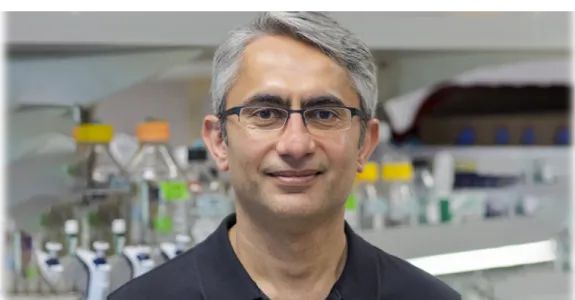
Headshot portrait of Nirao Shah - Professor of Psychiatry and Behavioral Sciences (Major Laboratories and Clinical Translational Neurosciences Incubator) and of Neurobiology

Nirao Shah - Professor of Psychiatry & Behavioral Sciences (Major Laboratories & Clinical Translational Neurosciences Incubator), of Neurobiology and (by courtesy) of Obstetrics & Gynecology

Bio-X Affiliated Faculty
Stanford Profile
Dr. Shah's Lab Homepage
Dr. Shah’s lab focuses on understanding how the brain is developmentally wired to be different between the sexes, and how these sexually differentiated neural circuits mediate social behaviors.

Related videos

USRP 2023 - Epigenetic Regulation of Sex-Differences in Stroke

USRP 2016 - Dissecting motion processing pathways in fruit flies

USRP 2019 - Your Heart Counts

  • Show More

Stanford Bio-X Seed Grants

Interdisciplinary Initiatives Program Seed Grant: Synthetic Signaling Pathways for Anterograde Tracing of Neural Circuits in the Mammalian Brain

Interdisciplinary Initiatives Program Round 9 - 2018

Research News
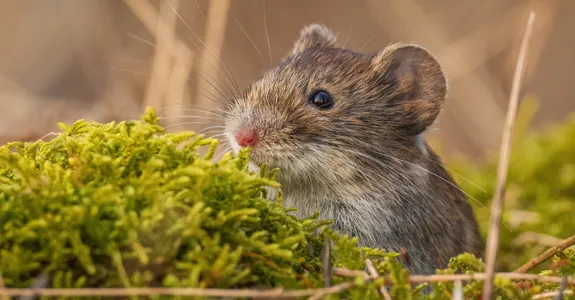
Outdoor close-up photo of a small brown prairie vole peering over green brush.

Looking for love in all the wrong hormones

January 31, 2023 - Stanford Medicine Scope
Researchers under Stanford Bio-X affiliated faculty member Nirao Shah have found that oxytocin, commonly...
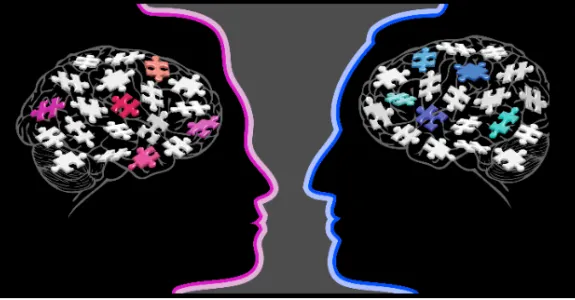
Sex-typical behavior of mice guided by differences in brain’s gene activity

January 21, 2022 - Stanford Medicine News Center
Stanford Bio-X affiliated faculty members Nirao Shah and Karl Deisseroth, with Stanford Bio-X...
A discovery about a neural circuit located deep in the brains of female mice may give scientists a map to learn more about female human brains

November 14, 2019 - Stanford Medicine Scope
A discovery about how a neural circuit located deep in the brains of female mice changes in response to...

  • Show More

Stanford Bio-X

James H. Clark Center, Stanford University 318 Campus Drive Stanford, CA 94305 contact-biox@stanford.edu
Follow @StanfordBioX

  • Contact
  • FAQ
  • Room Reservations
Stanford University
  • Stanford Home
  • Maps & Directions
  • Search Stanford
  • Emergency Info
  • Terms of Use
  • Privacy
  • Copyright
  • Trademark
  • Non-Discrimination
  • Accessibility

© Stanford University, Stanford, California 94305