Welcome to Bio-X

Welcome to Bio-X

  • Support
  • Contact
  • About
    • Bio-X History
    • Contact Us
    • Clark Center
      • Map & Directions
      • Tours
      • Dining Options
    • Building Services
      • Room Scheduling
      • IT
      • General Facilities Issues
      • Urgent Facilities Issues
      • Non-Emergency Facilities Requests
      • Building Access Request
      • Lab Safety
      • Shared Equipment
    • FAQ
  • People
  • Research
    • Seed Grants
      • Browse Seed Grants
    • Visiting Scholars/Visiting Postdocs
    • PhD Fellows
    • Undergraduate Research
    • Ventures
      • Food@Stanford
      • NeuroVentures
    • Travel Awards
    • Research Partners
    • Browse Videos
    • Browse All Research
  • Highlights
    • Videos
      • Clark Center @ 10x Video
    • Bio-X in the News
  • Videos
    • USRP Faculty Talks
    • Symposium Lectures
    • Additional Videos
  • Events
    • Upcoming Events
    • Archive
    • USRP 2020 - Modulating p75 neurotrophin receptor signaling as a therapeutic strategy for Huntington’s disease
    • Talk Videos
  • Get Involved
    • Faculty
    • Students
      • Courses & Workshops
    • Alumni & Friends
    • Corporations
      • Partnership Models
      • Benefits of Partnership
      • Corporate Member Projects
      • Corporate Forum Newsletter Archive
    • Browse Videos
    • Seminar Series
      • Stanford Bio-X Frontiers in Interdisciplinary Biosciences: 2019/2020
    • Support Bio-X
      • Stanford Bio-X White Paper
  1. Home
  2. Events

USRP 2020 - Modulating p75 neurotrophin receptor signaling as a therapeutic strategy for Huntington’s disease

Modulating p75 neurotrophin receptor signaling as a therapeutic strategy for Huntington’s disease
2020 Stanford Bio-X USRP Talks - Wednesday, August 26, 2020

Events

  • Upcoming Events
  • Archive
  • USRP 2020 - Modulating p75 neurotrophin receptor signaling as a therapeutic strategy for Huntington’s disease
  • Talk Videos

Courses and Workshops

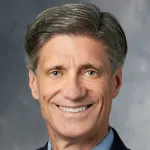
Headshot photo of Dr. Frank Longo, Professor and Chair of Neurosurgery at Stanford University

Frank Longo - George E. and Lucy Becker Professor in Medicine and Professor (by courtesy) of Neurosurgery

Bio-X Affiliated Faculty
Stanford Profile
Dr. Longo's Lab Homepage
Dr. Longo's research group is focused on the discovery of cellular signaling mechanisms that serve as a basis for the development of novel therapeutic approaches for Alzheimer's disease, Huntington's disease and other neurological disorders.

Related videos

USRP 2011 - Imaging Informatics: From Pixels to Biomedical Meaning

USRP 2023 - Epigenetic Regulation of Sex-Differences in Stroke

USRP 2016 - Dissecting motion processing pathways in fruit flies

  • Show More

Stanford Bio-X Seed Grants

Enhancement of Neuron: Device Interactions by Surface Presentation of Small Molecule Neurotrophin Receptor Agonists

Interdisciplinary Initiatives Program Round 3 – 2006

Research News
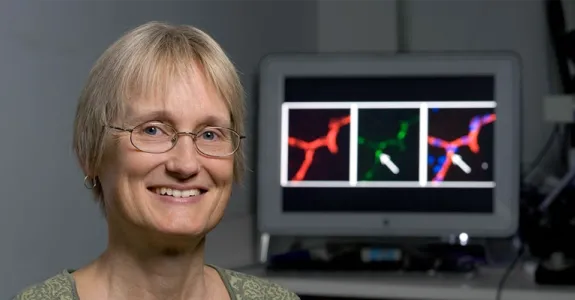
Photo of Dr. Katrin Andreasson in front of a computer monitor screen showing brain images.

Study reveals immune driver of brain aging

January 20, 2021 - Stanford Medicine News Center
Scientists led by Stanford Bio-X affiliated faculty members Katrin Andreasson, Frank Longo, Irv...
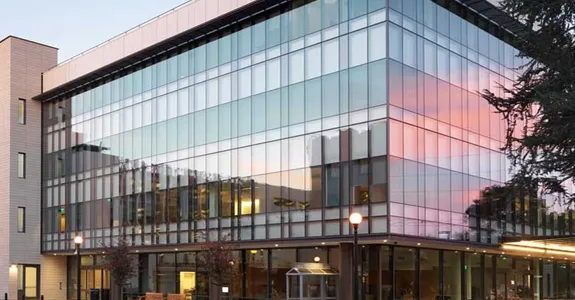
Photo of Stanford Neuroscience Health Center.

5 Questions: Frank Longo on Alzheimer's, new neuroscience center

February 17, 2016 - Stanford Medicine News Center
In a recent interview, neurologist and Bio-X affiliate Frank Longo discussed Alzheimer’s disease...
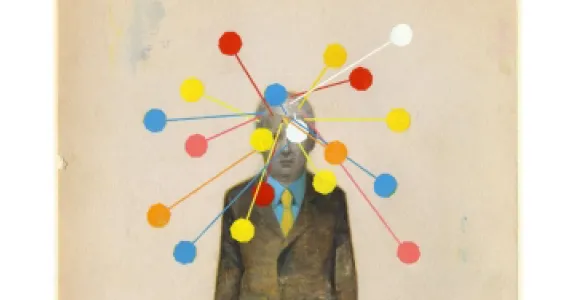
Graphic of man with points emerging from his brain.

Looking for origins of Alzheimer’s disease to find a treatment

August 15, 2014 - Stanford Medicine News Center
Scientists including Bio-X Director Carla Shatz and Bio-X affiliated faculty Frank Longo, Ben...

Stanford Bio-X

James H. Clark Center, Stanford University 318 Campus Drive Stanford, CA 94305 contact-biox@stanford.edu
Follow @StanfordBioX

  • Contact
  • FAQ
  • Room Reservations
Stanford University
  • Stanford Home
  • Maps & Directions
  • Search Stanford
  • Emergency Info
  • Terms of Use
  • Privacy
  • Copyright
  • Trademark
  • Non-Discrimination
  • Accessibility

© Stanford University, Stanford, California 94305