-
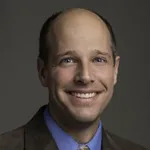
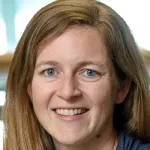
Bio-X Affiliated Faculty, Seed Grant Committee MemberThe Yang lab's research seeks to understand how microenvironmental cues regulate stem cell fate, and to develop novel biomaterials and stem cell-based therapeutics for tissue engineering and regenerative medicine. -
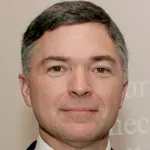
Everett Moding - Assistant Professor of Radiation Oncology (Radiation Therapy)
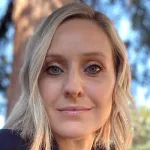
Bio-X Affiliated FacultyDr. Everett Moding is a physician scientist in the Department of Radiation Oncology at Stanford University. Clinically, he focuses on the treatment of patients with sarcomas using radiation therapy, and he is engaged in prospective and retrospective clinical research. He has diverse research expertise in pre-clinical models and next-generation sequencing based approaches to analyze human samples. He has used genetically engineered mouse models to study radiation biology and the contribution of the tumor microenvironment to cancer development and response to therapy.
-
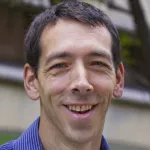
Everett Meyer - Assistant Professor of Medicine (Blood and Marrow Transplantation)
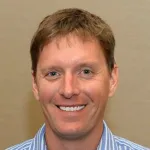
Bio-X Affiliated FacultyDr. Meyer's research focus in T cell immunotherapy and T cell immune monitoring using high-throughput sequencing and genomic approaches, with an emphasis on hematopoietic stem cell transplantation, the treatment of graft-versus-host disease and immune tolerance induction. -
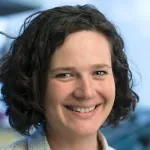
Eugene Butcher - Klaus Bensch Professor in Pathology
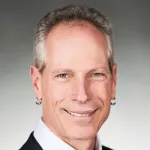
Bio-X Affiliated FacultyDr. Butcher's laboratory is interested in fundamental aspects of cell-cell recognition, migration and development with the mammalian immune system as a model. -
Euan Ashley - Roger and Joelle Burnell Professor of Genomics & Precision Health, Professor of Medicine (Cardiovascular Medicine), of Genetics, of Biomedical Data Science and (by courtesy) of Pathology
Bio-X Affiliated FacultyThe Ashley lab is focused on the application of genomics to medicine. -
Erinn Rankin - Assistant Professor of Obstetrics and Gynecology (Oncology) and of Radiation Oncology (Radiation Biology)
Bio-X Affiliated FacultyDr. Rankin's research emphasis is the role of hypoxia-inducible factors in tumorigenesis. -
Erin Mordecai - Assistant Professor of Biology
Bio-X Affiliated FacultyThe Mordecai Lab's research focuses on the ecology of infectious disease: They are interested in how climate, species interactions, and global change drive infectious disease dynamics in humans and natural ecosystems. -
Erin Gibson - Assistant Professor of Psychiatry & Behavioral Sciences
Bio-X Affiliated FacultyHow do glia sculpt neural circuits and how does dysregulation of glia contribute to disease? Glia make up more than half of the cells in the human brain, but we are just beginning to understand the complex and multifactorial role glia play in health and disease. Glia are decidedly dynamic in form and function. Understanding the mechanisms underlying the dynamic nature of glia is imperative to developing novel therapeutic strategies for diseases of the nervous system that involve aberrant gliogenesis.
-
Erik Sperling - Associate Professor of Earth & Planetary Sciences, Senior Fellow at the Woods Institute for the Environment, and Associate Professor (by courtesy) of Oceans
Bio-X Affiliated FacultyThe research interests in the Sperling Lab are Earth history and the evolution of life, and the interactions between the biosphere and the geosphere. -
Eric Stice - Professor of Psychiatry & Behavioral Sciences (Public Mental Health & Population Sciences)
Bio-X Affiliated FacultyDr. Eric Stice served as an assistant professor and associate professor at the University of Texas at Austin and as a Senior Research Scientist at Oregon Research Institute before joining the faculty at Stanford University. His research focuses on identifying risk factors that predict onset of eating disorders, obesity, substance abuse, and depression to advance knowledge regarding etiologic processes, including the use of functional neural imaging. He also designs, evaluates, and disseminates prevention and treatment interventions for eating disorders, obesity, and depression.