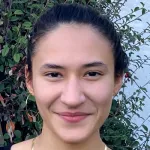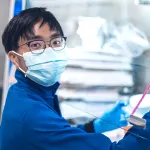
• Headshot portrait of Véronique Peiffer - Bio-X Travel Awardee

    Véronique Peiffer - Bio-X Travel Awardee

    Awarded in 2017

    Home Department: Bioengineering/Byers Center for Biodesign
    Faculty Advisor: Paul Yock
    Talk Title: The Value-oriented Health Economic Environment: What Every Innovator Should Know
    Event: 2017 Biomedical Engineering Society Annual Meeting
    Supported by The Matthew Frank Family

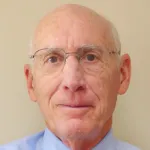
  • Headshot portrait of Vedika Shenoy - Bio-X Travel Awardee

    Vedika Shenoy - Bio-X Travel Awardee

    Awarded in 2025

    Home Department: Chemical Engineering
    Faculty Advisors: Joseph DeSimone and Eric Shaqfeh
    Talk Title: Additive Manufacturing of High-Resolution Porous Tubes, Tube Networks, and Lattices Enabled By Fluid Mechanics
    Event: 2025 AIChE Annual Meeting

  • Outdoor headshot photo of a smiling male faculty member, Dr. Vayu Hill-Maini, Assistant Professor of Bioengineering at Stanford University.

    Vayu Hill-Maini - Assistant Professor of Bioengineering

    Bio-X Affiliated Faculty, Clark Center Faculty

    Dr. Vayu Hill-Maini fell in love with cooking at a young age in his multicultural home in Stockholm, Sweden. He first moved to the U.S to work in restaurants, but the flavors, textures, and sensations of the kitchen eventually led him to scientific research. He received his B.A in Chemistry and Biology at Carleton College in 2015. He completed his PhD in Biochemistry from Harvard University in 2020, where he worked in the lab of Emily Balskus to characterize strains and enzymes from human gut microbiota responsible for the metabolism of drugs and dietary compounds.

  • Headshot photo of a smiling white female faculty member, Dr. Varvara Kirchner, Associate Professor of Surgery at Stanford University.

    Varvara Kirchner - Associate Professor of Surgery (Abdominal Transplantation) and (by courtesy) of Pediatrics

    Bio-X Affiliated Faculty

    Dr. Varvara Kirchner completed her medical school, surgical residency and multi-organ transplant fellowship in adult and pediatric liver, pancreas, kidney transplantation and total pancreatectomy with islet auto-transplantation at the University of Minnesota. She underwent further training in living donor liver transplantation and hepatobiliary surgery at the Asan Medical Center, Seoul, South Korea.

  • Outdoor headshot photo of a female facutly member with short dark hair, Dr. Vanessa Barone, Assistant Professor of Biology at Stanford University.

    Vanessa Barone - Assistant Professor of Biology

    Bio-X Affiliated Faculty

    Dr. Vanessa Barone studied molecular biology at Università delle Scienze di Torino, Italy and then pursued her PhD in the Carl-Philipp Heisenberg group at the Institute of Science and Technology Austria in Vienna, Austria. There she investigated how cell-cell contacts regulate cell differentiation of mesendodermal progenitors during zebrafish gastrulation, finding a positive feedback loop between cell-cell contacts and Nodal signalling that determines cell fate decisions.

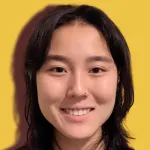
  • Headshot portrait of Valerie Hau - Bio-X Undergraduate Fellow

    Valerie Hau - Bio-X Undergraduate Fellow

    2016 Undergraduate Summer Research Program Participant
    Home Department: Computer Science
    Supported by: Vice Provost for Undergraduate Education
    Mentor: Oussama Khatib, Computer Science
  • Indoor headshot photo of a smiling female faculty member, Dr. Valerie Chock, Professor of Pediatrics at Stanford University.

    Valerie Chock - Professor of Pediatrics (Neonatology) and (by courtesy) of Obstetrics & Gynecology (Maternal Fetal Medicine)

    Bio-X Affiliated Faculty

    Dr. Valerie Chock's research interests include:

    • Neurological monitoring in critically ill infants
    • Altered hemodynamics in neonates, especially in relation to prematurity, congenital heart disease, and central nervous system injury
    • Determination of the hemodynamic significance and effects of a patent ductus arteriosus in the preterm infant
    • Utilizing NIRS (near-infrared spectroscopy) and other technologies for improved monitoring in the NICU

Pages