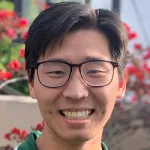
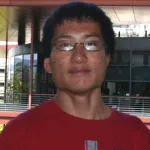
Ting-Hsuan (Timothy) Wu - Stanford Interdisciplinary Graduate Fellow (Anonymous Donor)
Awarded in 2022
Home Department: Biochemistry, Medicine
Faculty Advisors: Mark Krasnow (Biochemistry) and Peter S. Kim (Biochemistry)
Awarded in 2022
Home Department: Biochemistry, Medicine
Faculty Advisors: Mark Krasnow (Biochemistry) and Peter S. Kim (Biochemistry)
Home Department: Genetics
Faculty Advisor: Michael Snyder
Talk Title: Functional regulatory mechanism of smooth muscle cell-restricted LMOD1 coronary artery disease locus
Event: American Society of Human Genetics 2017 Annual Meeting
Supported by The Matthew Frank Family
Dr. Tina Baykaner is an Assistant Professor in the Department of Internal Medicine, Division of Cardiovascular Medicine and Electrophysiology. Following internal medicine residency, cardiovascular medicine and advanced heart failure fellowship trainings at University of California, San Diego and electrophysiology fellowship at Stanford University, Dr. Baykaner joined Stanford University faculty in 2018.
Inadequate removal of uremic solutes contributes to widespread illness in the more than 500,000 Americans maintained on dialysis. But researchers know remarkably little about these solutes. Dr. Timothy Meyer's research efforts are focused on identifying which uremic solutes are toxic, how these solutes are made, and how their production could be decreased or their removal could be increased. Dr. Meyer's group hopes to improve treatment by finding out more about what we are trying to remove.
Awarded in 2017
Home Department: Chemistry
Faculty Advisors: Justin Annes (Medicine - Endocrinology, Gerontology, Metabolism) and Jennifer Cochran (Bioengineering)
The mission of Dr. Timothy Durazzo's BRASS lab is to better understand how the interplay between biomedical, psychological and social factors influence treatment outcome in Veterans and civilians seeking treatment for alcohol and substance use disorders. To accomplish this mission, the multidisciplinary team integrates information from advanced neuroimaging, neurocognitive assessment, psychodiagnostic and genotyping methods to identify the biopsychosocial factors associated with relapse and sustained sobriety.