Over 1,300 faculty are affiliated with Stanford Bio-X and are eligible to apply for our grants and be notified about fundraising opportunities, collaborations with industries, events, courses and available facilities and instruments. Learn how to become an affiliate!

Search Stanford Bio-X affiliated faculty

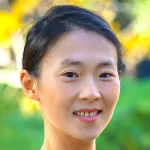
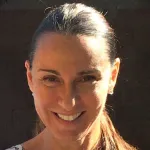
Headshot portrait of Ximena Corso Díaz - Assistant Professor of Ophthalmology

Ximena Corso Díaz - Assistant Professor of Ophthalmology

Bio-X Affiliated Faculty

Dr. Ximena Corso Díaz's lab is dedicated to uncovering mechanisms of gene regulation in neuronal cells with the goal of developing treatments for neurodegeneration. By studying the retina, a brain region responsible for light detection, they aim to identify molecular mechanisms that regulate neuronal gene expression programs and develop strategies to prevent blindness. 

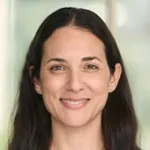
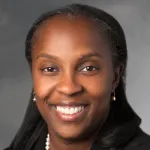
Headshot portrait of Michael Fredericson - Professor of Orthopaedic Surgery and (by courtesy) of Medicine (Stanford Prevention Research Center)

Michael Fredericson - Professor of Orthopaedic Surgery and (by courtesy) of Medicine (Stanford Prevention Research Center)

Bio-X Affiliated Faculty

Dr. Michael Fredericson is the first physician promoted to Professor of Physical Medicine & Rehabilitation (PM&R) at Stanford University and is currently Director of PM&R Sports Medicine in the Department of Orthopaedic Surgery, Co-Director of the Stanford Longevity Center, and Founder of Lifestyle Medicine. He is also the Head Team Physician for the Stanford Track & Field and Swimming Teams and a Wu Tsai Human Performance Alliance member.

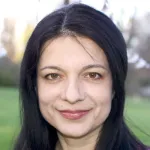
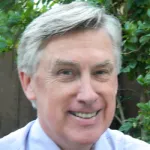
Headshot portrait of John W. Day - Professor of Neurology & Neurological Sciences (Adult Neurology), of Pediatrics (Genetics) and (by courtesy) of Pathology

John W. Day - Professor of Neurology & Neurological Sciences (Adult Neurology), of Pediatrics (Genetics) and (by courtesy) of Pathology

Bio-X Affiliated Faculty

While keeping the patients and families foremost in mind, Dr. John Day's research seeks to: define and understand genetic causes; clarify the molecular and cellular consequences of genetic change; determine the multisystemic features that are underappreciated but clinically significant consequence of these diseases; develop and improve methods for managing and treating each disease.

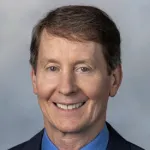
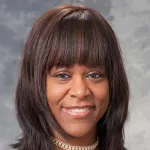
Headshot portrait of Carla Pugh - Thomas Krummel Professor

Carla Pugh - Thomas Krummel Professor

Bio-X Affiliated Faculty

Dr. Carla Pugh is Professor of Surgery at Stanford University School of Medicine. She is also the Director of the Technology Enabled Clinical Improvement (T.E.C.I.) Center. Her clinical area of expertise is Acute Care Surgery. Dr. Pugh obtained her undergraduate degree at U.C. Berkeley in Neurobiology and her medical degree at Howard University School of Medicine. Upon completion of her surgical training at Howard University Hospital, she went to Stanford University and obtained a PhD in Education. She is the first surgeon in the United States to obtain a PhD in Education.

Headshot portrait of Barbara Block - Charles and Elizabeth Prothro Professor of Marine Sciences, Professor of Oceans and Senior Fellow at the Woods Institute for the Environment

Barbara Block - Charles and Elizabeth Prothro Professor of Marine Sciences, Professor of Oceans and Senior Fellow at the Woods Institute for the Environment

Bio-X Affiliated Faculty

Dr. Barbara A. Block holds the Charles and Elizabeth Prothro Professorship at Stanford University. Her research is focused on how large pelagic fish utilize the open ocean spanning from genomics to biologging. She and her team have pioneered the successful development and deployment of electronic tags on tunas, billfishes and sharks. The combination of lab and field research has led to a rapid increase in the understanding of movement patterns, population structure, physiology and behaviors of pelagic fish and sharks.

Headshot portrait of Frank Willett - Assistant Professor of Neurosurgery

Frank Willett - Assistant Professor of Neurosurgery

Bio-X Affiliated Faculty, Clark Center Faculty

Dr. Frank Willett is co-director of the Neural Prosthetics Translational Laboratory. The group develops brain-computer interfaces (BCIs) to restore movement and communication to people with neurological disorders. Recent contributions include handwriting and speech-based BCIs that set new records for communication speed and accuracy in people with paralysis. More broadly, they are interested in computational approaches to understanding brain function and recordings, with a focus on how the human brain represents movement and language.

Headshot portrait of Bingwei Lu - Professor of Pathology

Bingwei Lu - Professor of Pathology

Bio-X Affiliated Faculty

Dr. Bingwei Lu's laboratory is interested in understanding how the diverse neuronal cell types are generated and maintained in the nervous system. They are taking a combined molecular, cellular, genetic, and genomic approach in the model organisms Drosophila and mouse. To study how neuronal diversity is generated, the Lu lab focuses on investigating the mechanisms of asymmetric division of neural stem cell that balances the self-renewal and differentiation potentials of neural stem cells.

Pages