Welcome to Bio-X

Welcome to Bio-X

  • Support
  • Contact
  • About
    • Bio-X History
    • Contact Us
    • Clark Center
      • Map & Directions
      • Tours
      • Dining Options
    • Building Services
      • Room Scheduling
      • IT
      • General Facilities Issues
      • Urgent Facilities Issues
      • Non-Emergency Facilities Requests
      • Building Access Request
      • Lab Safety
      • Shared Equipment
    • FAQ
  • People
  • Research
    • Seed Grants
      • Browse Seed Grants
    • Visiting Scholars/Visiting Postdocs
    • PhD Fellows
    • Undergraduate Research
    • Ventures
      • Food@Stanford
      • NeuroVentures
    • Travel Awards
    • Research Partners
    • Browse Videos
    • Browse All Research
  • Highlights
    • Videos
      • Clark Center @ 10x Video
    • Bio-X in the News
  • Videos
    • USRP Faculty Talks
    • Symposium Lectures
    • Additional Videos
  • Events
    • Upcoming Events
    • Archive
    • USRP 2011 - Pivotal Response Group Treatment Studies for Parents of Young Children with Autism
    • Talk Videos
  • Get Involved
    • Faculty
    • Students
      • Courses & Workshops
    • Alumni & Friends
    • Corporations
      • Partnership Models
      • Benefits of Partnership
      • Corporate Member Projects
      • Corporate Forum Newsletter Archive
    • Browse Videos
    • Seminar Series
      • Stanford Bio-X Frontiers in Interdisciplinary Biosciences: 2019/2020
    • Support Bio-X
      • Stanford Bio-X White Paper
  1. Home
  2. Events

USRP 2011 - Pivotal Response Group Treatment Studies for Parents of Young Children with Autism

Pivotal Response Group Treatment Studies for Parents of Young Children with Autism
2011 USRP Talks - Wednesday, July 20, 2011

Events

  • Upcoming Events
  • Archive
  • USRP 2011 - Pivotal Response Group Treatment Studies for Parents of Young Children with Autism
  • Talk Videos

Courses and Workshops

Headshot portrait of Antonio Hardan - Professor of Psychiatry and Behavioral Sciences (Child and Adolescent Psychiatry)

Antonio Hardan - Professor of Psychiatry and Behavioral Sciences (Child and Adolescent Psychiatry)

Bio-X Affiliated Faculty
CAP Profile
School of Medicine Child and Adolescent Psychiatry Homepage
Autism and Developmental Disorders Research Program Homepage
Dr. Hardan’s research expertise is in the neurobiology of autism and in the development of innovative treatment.

Related videos

USRP 2025 - How to Have a Career in Academics and Innovation

USRP 2016 - Using the zebrafish to investigate the vertebrate nervous system

USRP 2020 - Program Introduction

  • Show More

Stanford Bio-X Seed Grants

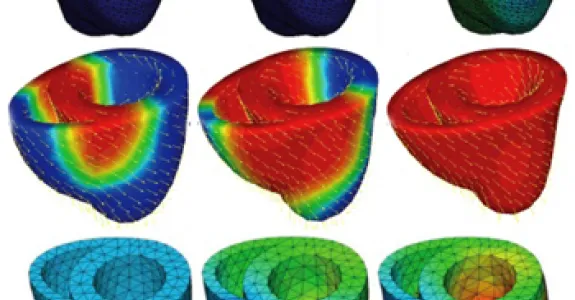
Understanding Gyrification Dynamics in the Human Brain

Interdisciplinary Initiatives Program Round 7 - 2014
Biomarkers of the social deficits of children with autism

Interdisciplinary Initiatives Program Round 6 - 2012

Research News
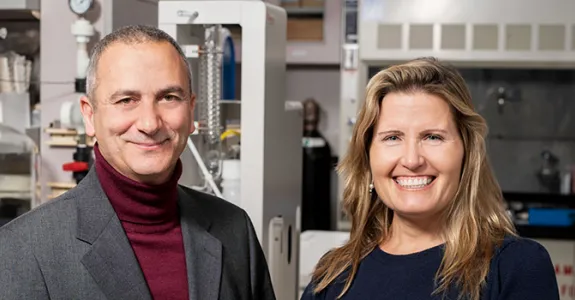
Photo of Drs. Antonio Hardan and Karen Parker standing in a laboratory space.

Hormone reduces social impairment in kids with autism

May 1, 2019 - Stanford Medicine News Center
In a study of 30 children with autism, Stanford Bio-X affiliates Karen Parker, Antonio Hardan, and...
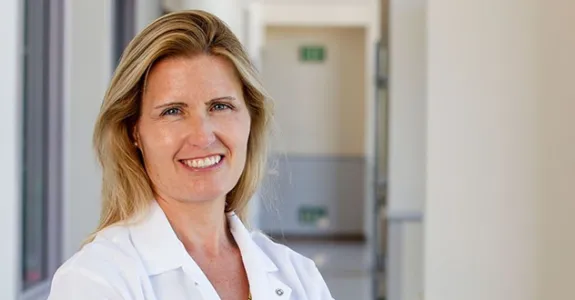
Photo of blonde female PI standing in a hall, smiling, while wearing a white coat.

Scientists find possible autism biomarker in cerebrospinal fluid

May 2, 2018 - Stanford Medicine News Center
Low levels of vasopressin in CSF are linked to low social ability in monkeys and to autism in children...
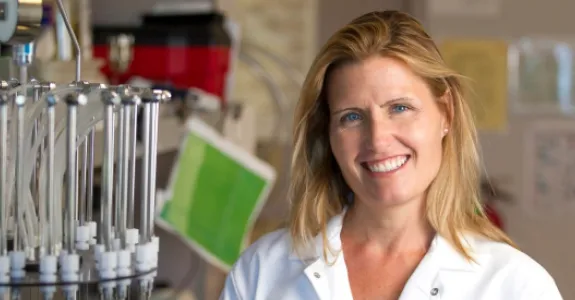
Photo of Dr. Karen Parker in laboratory space with equipment.

Study shows which children with autism respond best to oxytocin

July 10, 2017 - Stanford Medicine News Center
The brain hormone may help treat social impairments in children with autism whose baseline oxytocin...

  • Show More

Stanford Bio-X

James H. Clark Center, Stanford University 318 Campus Drive Stanford, CA 94305 contact-biox@stanford.edu
Follow @StanfordBioX

  • Contact
  • FAQ
  • Room Reservations
Stanford University
  • Stanford Home
  • Maps & Directions
  • Search Stanford
  • Emergency Info
  • Terms of Use
  • Privacy
  • Copyright
  • Trademark
  • Non-Discrimination
  • Accessibility

© Stanford University, Stanford, California 94305