Welcome to Bio-X

Welcome to Bio-X

  • Support
  • Contact
  • About
    • Bio-X History
    • Contact Us
    • Clark Center
      • Map & Directions
      • Tours
      • Dining Options
    • Building Services
      • Room Scheduling
      • IT
      • General Facilities Issues
      • Urgent Facilities Issues
      • Non-Emergency Facilities Requests
      • Building Access Request
      • Lab Safety
      • Shared Equipment
    • FAQ
  • People
  • Research
    • Seed Grants
      • Browse Seed Grants
    • Visiting Scholars/Visiting Postdocs
    • PhD Fellows
    • Undergraduate Research
    • Ventures
      • Food@Stanford
      • NeuroVentures
    • Travel Awards
    • Research Partners
    • Browse Videos
    • Browse All Research
  • Highlights
    • Videos
      • Clark Center @ 10x Video
    • Bio-X in the News
  • Videos
    • USRP Faculty Talks
    • Symposium Lectures
    • Additional Videos
  • Events
    • Upcoming Events
    • Archive
    • USRP 2011 - Using the Immune System to Treat Cancer
    • Talk Videos
  • Get Involved
    • Faculty
    • Students
      • Courses & Workshops
    • Alumni & Friends
    • Corporations
      • Partnership Models
      • Benefits of Partnership
      • Corporate Member Projects
      • Corporate Forum Newsletter Archive
    • Browse Videos
    • Seminar Series
      • Stanford Bio-X Frontiers in Interdisciplinary Biosciences: 2019/2020
    • Support Bio-X
      • Stanford Bio-X White Paper
  1. Home
  2. Events

USRP 2011 - Using the Immune System to Treat Cancer

Using the Immune System to Treat Cancer
2011 USRP Talks - Wednesday, July 13, 2011

Events

  • Upcoming Events
  • Archive
  • USRP 2011 - Using the Immune System to Treat Cancer
  • Talk Videos

Courses and Workshops

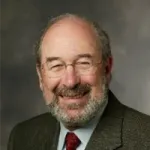
Headshot portrait of Ronald Levy - Robert K. and Helen K. Summy Professor in the School of Medicine and Professor of Medicine (Oncology)

Ronald Levy - Robert K. and Helen K. Summy Professor in the School of Medicine and Professor of Medicine (Oncology)

Bio-X Affiliated Faculty
CAP Profile
Dr. Levy's Lab Homepage
Dr. Levy's research concentrates on the study of malignant lymphoma and tumors of the immune system using the tools of immunology and molecular biology to develop a better understanding of the initiation and progression of the malignant process.

Related videos

USRP 2018 - Innovation and the Future of Heart Rhythm Therapy

USRP 2013 - A Hassle a Day May Keep the Doctor Away - Protective Versus Harmful Effects of Stress

USRP 2010 - Folding@home: Pushing the Limits of Molecular Simulation

  • Show More

Stanford Bio-X Seed Grants

Interdisciplinary Initiatives Program Seed Grant: Multiparametric imaging of immune checkpoint inhibitor therapy

Interdisciplinary Initiatives Program Round 11 - 2022

Rapid Synthesis of Vaccines for Treating B-Cell Lymphoma

Interdisciplinary Initiatives Program Round 1 - 2000

Research News
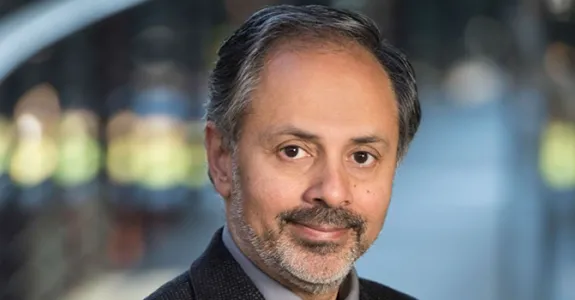
Photo of Dr. Sam Gambhir standing in middle of Clark Center building.

PET scan tracer predicts success of cancer ‘vaccine’

May 14, 2018 - Stanford Medicine News Center
With a radioactive tracer, scientists can use a PET scan to quickly tell whether a cancer...
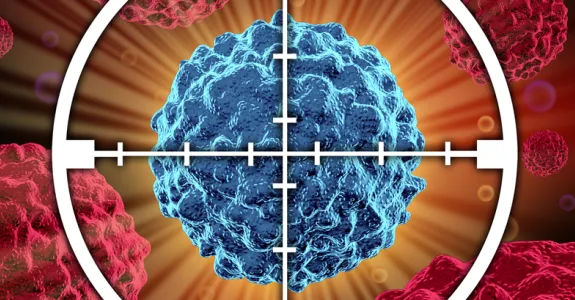
Graphic image of a cancer cell in target crosshairs.

Previously elusive targets for cancer immunotherapy identified

March 30, 2017 - Stanford Medicine Scope
A collaborative team including Bio-X affiliates Ash Alizadeh, Joshua Elias, Ron Levy, Mark Davis, and Jan...
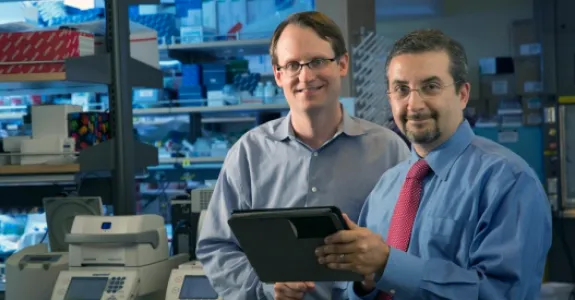
Photo of Ash Alizadeh and Maximilian Diehn in the lab.

DNA sequencing determines lymphoma origin, prognosis

November 9, 2016 - Stanford Medicine News Center
A study, under Bio-X affiliates Maximilian Diehn, Ash Alizadeh, and Ron Levy of 92 lymphoma...

  • Show More

Stanford Bio-X

James H. Clark Center, Stanford University 318 Campus Drive Stanford, CA 94305 contact-biox@stanford.edu
Follow @StanfordBioX

  • Contact
  • FAQ
  • Room Reservations
Stanford University
  • Stanford Home
  • Maps & Directions
  • Search Stanford
  • Emergency Info
  • Terms of Use
  • Privacy
  • Copyright
  • Trademark
  • Non-Discrimination
  • Accessibility

© Stanford University, Stanford, California 94305