-
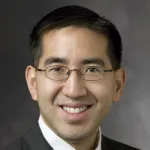
Bio-X Affiliated FacultyDr. Beaulieu's current research interests include: three-dimensional computer graphics representation of, medical imaging data, including clinical applications of virtual, colonoscopy and arthroscopy; interactive MRI evaluation of joint, motion. -
Christoph Thaiss - Assistant Professor of Pathology
Bio-X Affiliated FacultyDr. Christoph A. Thaiss is an Assistant Professor of Pathology at Stanford University. His lab studies how interactions between environment, body, and brain impact physiology and disease over the lifespan. Christoph received his undergraduate training from the University of Bonn, Yale University, ETH Zurich, and the Broad Institute of MIT and Harvard. Following his Ph.D. studies at the Weizmann Institute of Science, he joined the faculty at the University of Pennsylvania.
-
Christine Jacobs-Wagner - Dennis Cunningham Professor and Professor of Biology
Bio-X Affiliated FacultyCellular replication is a defining feature of life. But how do cells reproduce themselves? Dr. Christine Jacobs-Wagner's laboratory addresses this fundamental question by probing the governing principles and the spatiotemporal mechanisms that underlie cellular replication, with an emphasis of cell morphogenesis, cell growth, chromosome dynamics and cell cycle regulation. They use bacteria as model systems for two main reasons. First, bacteria lack the complex control systems of eukaryotes (e.g., cyclin/Cdk machinery); yet their multiplication process is remarkably efficient and faithful.
-
Christina Curtis - Professor of Medicine (Oncology), of Genetics, and of Biomedical Data Science
Bio-X Affiliated FacultyThe Curtis laboratory is focused on the development and application of innovative experimental, computational, and analytical approaches to improve the diagnosis, treatment, and early detection of cancer. -
Christin Kuo - Assistant Professor of Pediatrics (Pulmonary Medicine)
Bio-X Affiliated FacultyThe Kuo lab studies a group of airway epithelial cells called pulmonary neuroendocrine (NE) cells. They are normally a rare cell type in the lung with sensory, neurosecretory, and stem cell functions. Some NE cells can be located at branchpoints in highly innervated clusters called neuroepithelial bodies (NEBs), which are abnormal in several pediatric and adult respiratory diseases. The lab uses single cell genetic approaches to study NE cell development and function.
-
Christian Linder - Assistant Professor of Civil and Environmental Engineering
Bio-X Affiliated FacultyDr. Linder's research focus is on the development of advanced computational methods and mathematical frameworks to predict the mechanical response of new materials. -
Chris Chafe - Duca Family Professor of Music and Director of CCRMA
Bio-X Affiliated FacultyDr. Chafe is a composer, improvisor and cellist, developing much of his music alongside computer-based research. -
Chiara Sabatti - Professor of Biomedical Data Science and of Statistics
Bio-X Affiliated FacultyDr. Sabatti's laboratory current studies are in the statistical models and reasoning are key to their understanding of the genetic basis of human traits. -
Charlotte D. Jacobs - Drs. Ben and A. Jess Shenson Professor in the School of Medicine, Emerita
Bio-X Affilaited FacultyDr. Jacobs's clinical interests include general oncology, and sarcomas. -
Charles Gawad - Associate Professor of Pediatrics (Hematology & Oncology)
Bio-X Affiliated FacultyDr. Charles Gawad's lab works at the interface of biotechnology, computational biology, cellular biology, and clinical medicine to develop and apply new tools for characterizing genetic variation across single cells within a tissue with unparalleled sensitivity and accuracy. They are focused on applying these technologies to study cancer clonal evolution while patients are undergoing treatment with the aim of identifying cancer clonotypes that are associated with resistance to specific drugs so as to better understand and predict treatment response.