
Dr. Hadi Hosseini is a computational/cognitive neuroscientist investigating large-scale structural and functional brain networks in various neuropsychiatric disorders using multimodal neuroimaging, graph theoretical and multivariate pattern analyses techniques. He is also developing novel NIRS-based neurofeedback interventions for enhancing executive functions. Dr. Hosseini has been co-teaching the Neuroimaging Research Methods (Psyc250) at Stanford since 2012.
Dr. Hosseini's lab’s research portfolio crosses multiple disciplines including computational neuropsychiatry, cognitive neuroscience, multimodal neuroimaging and neurocognitive rehabilitation. Their computational neuropsychiatry research mainly involves investigating alterations in the organization of connectome in various neurodevelopmental and neurocognitive disorders using state of the art neuroimaging techniques (fMRI, sMRI, DWI, functional NIRS) combined with novel computational methods (graph theoretical and multivariate pattern analyses).
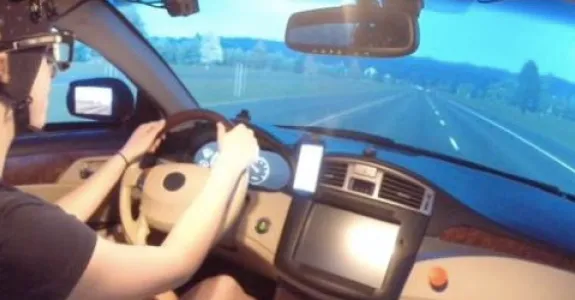
The ultimate goal of the Hosseini lab's research is to translate the findings from computational neuropsychiatry research toward developing personalized interventions. They have been developing personalized interventions that integrate computerized cognitive rehabilitation, real-time functional brain imaging and neurofeedback, as well as virtual reality (VR) tailored toward targeted rehabilitation of the affected brain networks in patients with neurocognitive disorders.