Welcome to Bio-X

Welcome to Bio-X

  • Support
  • Contact
  • About
    • Bio-X History
    • Contact Us
    • Clark Center
      • Map & Directions
      • Tours
      • Dining Options
    • Building Services
      • Room Scheduling
      • IT
      • General Facilities Issues
      • Urgent Facilities Issues
      • Non-Emergency Facilities Requests
      • Building Access Request
      • Lab Safety
      • Shared Equipment
    • FAQ
  • People
  • Research
    • Seed Grants
      • Browse Seed Grants
    • Visiting Scholars/Visiting Postdocs
    • PhD Fellows
    • Undergraduate Research
    • Ventures
      • Food@Stanford
      • NeuroVentures
    • Travel Awards
    • Research Partners
    • Browse Videos
    • Browse All Research
  • Highlights
    • Videos
      • Clark Center @ 10x Video
    • Bio-X in the News
  • Videos
    • USRP Faculty Talks
    • Symposium Lectures
    • Additional Videos
  • Events
    • Upcoming Events
    • Archive
    • IIP Symposium, August 2010 - Optoelectronic Retinal Prosthesis
    • Talk Videos
  • Get Involved
    • Faculty
    • Students
      • Courses & Workshops
    • Alumni & Friends
    • Corporations
      • Partnership Models
      • Benefits of Partnership
      • Corporate Member Projects
      • Corporate Forum Newsletter Archive
    • Browse Videos
    • Seminar Series
      • Stanford Bio-X Frontiers in Interdisciplinary Biosciences: 2019/2020
    • Support Bio-X
      • Stanford Bio-X White Paper
  1. Home
  2. Events

IIP Symposium, August 2010 - Optoelectronic Retinal Prosthesis

Daniel Palanker, Opthamology
Optoelectronic Retinal Prosthesis

2010 IIP Symposium - August 25, 2010

Events

  • Upcoming Events
  • Archive
  • IIP Symposium, August 2010 - Optoelectronic Retinal Prosthesis
  • Talk Videos

Courses and Workshops

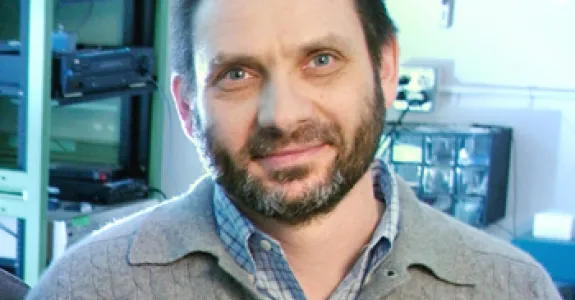
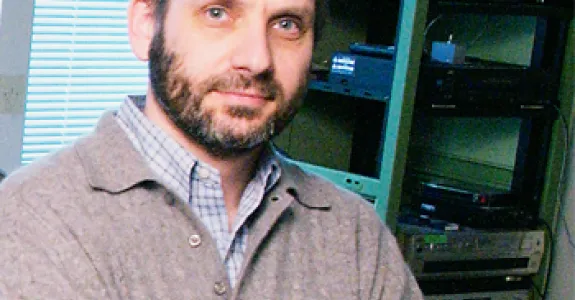
Photo of Dr. Daniel Palanker, Director of HEPL and professor of ophthalmology at Stanford University.

Daniel Palanker - Director of the Hansen Experimental Physics Laboratory and Professor of Ophthalmology and (by courtesy) of Electrical Engineering

Seed Grant Committee Member, Bio-X Affiliated Faculty
Stanford Profile
Dr. Palanker's Lab Homepage
The primary focus of Dr. Daniel Palanker's research is in interactions of electric field (including light) with biological cells and tissues.

Related videos

2014 Bio-X Mechanobiology Symposium: Dr. Morgan Delarue

Re-Thinking Food Symposium - Optimal Diets for Personal, Population, and Planetary Health

IIP Symposium, August 2012 - Examining the Threshold of T Cell Memory by AFM-Based Receptor Mapping

  • Show More

Stanford Bio-X Seed Grants

Optical Thermometry

Interdisciplinary Initiatives Program Round 2 – 2002

Optoelectronic Retinal Prosthesis

Interdisciplinary Initiatives Program Round 4 – 2008

Research News

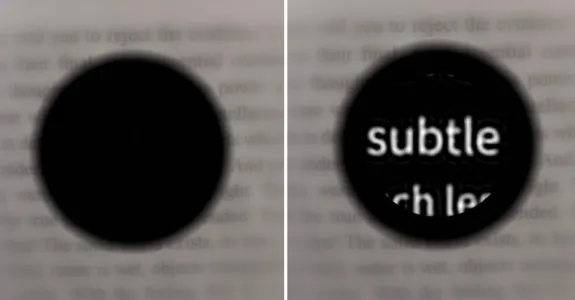
Image on left shows a dark spot over a blurry page. Image on right shows readable letters in the same dark spot.

Eye prosthesis is the first to restore sight lost to macular degeneration

October 20, 2025 - Stanford Medicine News
Stanford Bio-X affiliated faculty member Daniel Palanker led a clinical trial of a wireless...

Photo of male PI sitting at table with student, with computer screen displaying readouts, holding a device shaped like safety glasses.

Tiny, light-sensitive chips could one day restore sight to the blind

April 18, 2018 - Stanford News
Millions are slowly losing their vision to diseases of the retina like age-related macular degeneration. A device...
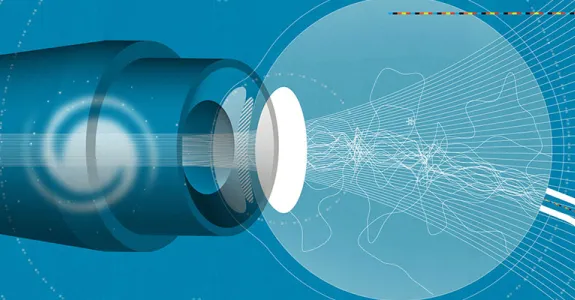
Illustration showing a light shining through a simplistic depiction of an eye.

Visionary: Sight solutions

August, 2017 - Stanford Medicine Magazine
Stanford Bio-X affiliated faculty members Jeffrey Goldberg, Michael Marmor, Daniel Palanker, Mark...

  • Show More

Stanford Bio-X

James H. Clark Center, Stanford University 318 Campus Drive Stanford, CA 94305 contact-biox@stanford.edu
Follow @StanfordBioX

  • Contact
  • FAQ
  • Room Reservations
Stanford University
  • Stanford Home
  • Maps & Directions
  • Search Stanford
  • Emergency Info
  • Terms of Use
  • Privacy
  • Copyright
  • Trademark
  • Non-Discrimination
  • Accessibility

© Stanford University, Stanford, California 94305