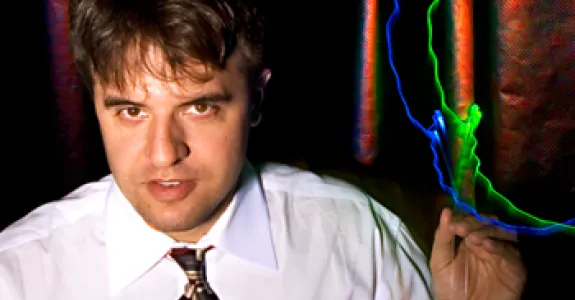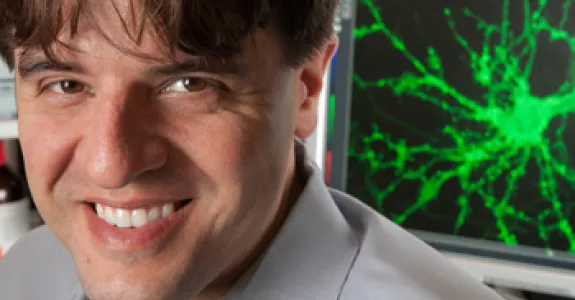
Dr. Karl Deisseroth is the D.H. Chen Professor of Bioengineering and of Psychiatry and Behavioral Sciences at Stanford University, and Investigator of the Howard Hughes Medical Institute. He received his undergraduate degree from Harvard, his PhD from Stanford, and his MD from Stanford. He also completed postdoctoral training, medical internship, and adult psychiatry residency at Stanford, and he is board-certified by the American Board of Psychiatry and Neurology. He continues as a practicing psychiatrist at Stanford with specialization in affective disorders and autism-spectrum disease, employing medications along with neural stimulation.
Dr. Deisseroth was awarded the 2026 Nobel Prize in physiology or medicine.
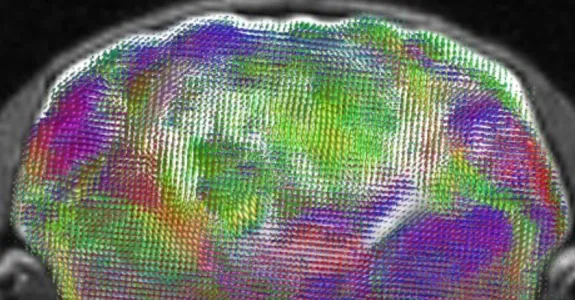
Dr. Deisseroth's laboratory has worked on developing and applying high-resolution tools for controlling (optogenetics) and mapping (clarity, STARmap) specific well-defined elements within intact and fully-assembled biological systems. They continue to develop and apply these and other tools (integrated with optical, electrophysiological, computational, molecular, and behavioral approaches) for the study of neural physiology and behavior in freely-moving mammals. The lab is interested both in natural behaviorally-relevant neural circuit dynamics, and in pathological dynamics underlying neuropsychiatric disease symptomatology and treatment.