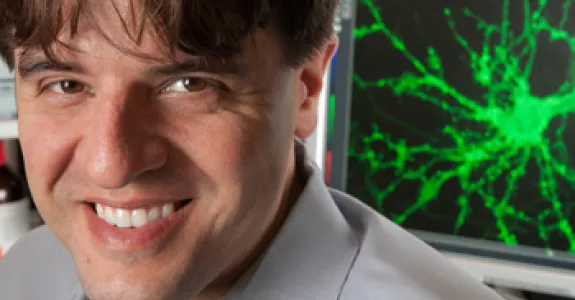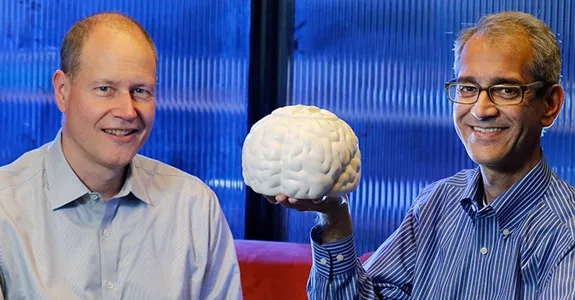

Dr. Gary Steinberg is the Director of the Stanford Moyamoya Center, the founder and Co-Director of the Stanford Stroke Center, and the former Chair of the Department of Neurosurgery. As a cerebrovascular and skull base neurosurgeon, he specializes in treating brain aneurysms, moyamoya disease, brain and spinal AVMs and other vascular malformations, carotid artery disease, meningiomas, skull base tumors, stroke, and hereditary hemorrhagic telangiectasia.
Dr. Steinberg has practiced neurosurgery at Stanford for more than 31 years. He has pioneered microsurgical techniques to repair intracranial vascular malformations and certain aneurysms that were previously considered untreatable. He has also refined revascularization techniques for patients with cerebrovascular arterial occlusions, as well as moyamoya disease. He is leading novel clinical trials of stem cell therapy for stroke and spinal cord injury.
The Steinberg Laboratory is interested in elucidating the pathophysiology of acute cerebral ischemia and in developing neuroprotective treatments, as well as methods to restore neurologic function after stroke. Using rodent wild type, knock out and transgenic models of focal and global ischemia, they are investigating the physiologic processes leading from decreased blood flow after arterial occlusion to irreversible brain injury. A major focus of their work concerns the role of oxidative stress, inflammation and gene expression on necrotic and apoptotic mechnisms of ischemic cell death. Alterations in cerebral blood flow, neuronal metabolic activity, electrophysiology, and gene/protein expression are examined in relation to neurologic behavior. The lab is also studying the brain microenvironment during recovery after stroke and the effects of stem cell transplantation and optogeneticstimulations in promoting recovery of function.
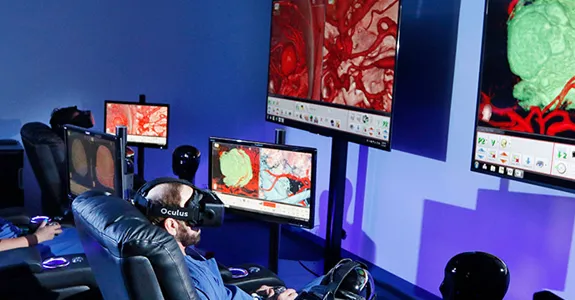
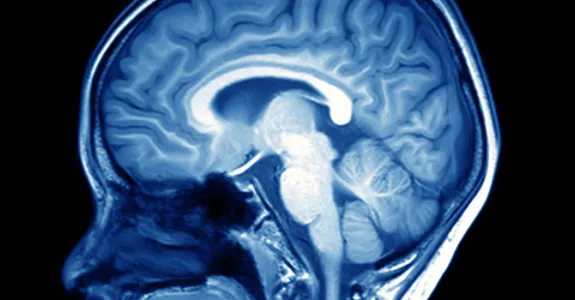
The lab's clinical research efforts focus on novel approaches for treating intracranial aneurysms, intracranial and spinal vascular malformations, occlusive cerebrovascular disease such as Moyamoya disease and stroke. These include advances in microsurgery, interventional neuroradiology, stereotactic radiosurgery, 3D imaging, surgical navigation, revascularization techniques, the use of mild brain hypothermia and other clinical neuroprotective agents, and stem cell transplantation for stroke and spinal cord injury.