
Jesse Engreitz - Assistant Professor of Genetics
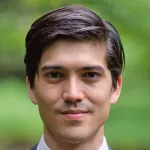
Dr. Jesse Engreitz is an Assistant Professor in the Department of Genetics and the Children’s Heart Center Basic Sciences and Engineering (BASE) Initiative.
Over 1,300 faculty are affiliated with Stanford Bio-X and are eligible to apply for our grants and be notified about fundraising opportunities, collaborations with industries, events, courses and available facilities and instruments. Learn how to become an affiliate!
Dr. Jesse Engreitz is an Assistant Professor in the Department of Genetics and the Children’s Heart Center Basic Sciences and Engineering (BASE) Initiative.
Dr. Livnat Jerby's research focuses on multicellular dynamics, as a disease driver and therapeutic avenue, particularly in the context of cancer immunology. In her work, she aims to identify the drivers, molecular underpinnings, and causal structure of multifactorial immune evasion mechanisms, and use this information to identify new and more effective ways to augment and unleash targeted immunity via combinatorial interventions.
Dr. Boris Heifets's research group is dedicated to understanding and improving on powerful, rapid-acting therapies for psychiatric disease, such as ketamine, MDMA and psilocybin. They bridge basic science and clinical trials, connecting neuroscience, psychiatry and anesthesiology in pursuit of highly effective, safe treatment strategies scalable to the millions of patients who need them.
The Giardino Lab of Circuits & Systems Neuroscience in Stanford's Department of Psychiatry & Behavioral Sciences is currently accepting applicants for researchers at all levels of experience. We aim to decipher the neural mechanisms underlying psychiatric conditions of stress, addiction, and sleep disturbances.
Dr. Joseph Shrager practices all aspects of thoracic surgery but has specials interest and experience in lung cancer, surgery for emphysema, and mediastinal diseases. His clinical publications reflect these interests. In all cases, he looks towards minimally invasive approaches where appropriate, including VATS (thoracoscopic) lobectomy for early stage lung cancer and transcervical thymectomy.
The overarching goal of Dr. Keller’s Laboratory (kellerlab.stanford.edu) is to improve brain stimulation treatment for neurological and psychiatric disease. Specifically, his lab seeks to improve Transcranial Magnetic Stimulation (TMS) and other brain stimulation techniques by better understanding the fundamental principles of human brain plasticity and building trans-diagnostic real-time monitoring platforms for personalized brain stimulation.
Dr. Casey Gifford's lab is focused on defining the complex genetic and molecular mechanisms associated with congenital heart disease using both rodent and stem cell experimental models.
Dr. Akshay Chaudhari is an Assistant Professor of research in the Integrative Biomedical Imaging Informatics at Stanford (IBIIS) section in the Department of Radiology. His primary research interests lie at the intersection of artificial intelligence and medical imaging. Dr. Chaudhari graduated from UCSD with a B.S. in Bioengineering in 2012. He completed his Ph.D.
Joseph M. DeSimone is the Sanjiv Sam Gambhir Professor of Translational Medicine and Chemical Engineering at Stanford University. He holds appointments in the Departments of Radiology and Chemical Engineering with courtesy appointments in the Department of Chemistry and in Stanford’s Graduate School of Business.
The Stanford Interventional Radiology Translational Theranostics (SIRTT) lab, under Dr. Alexander Vezeridis, is developing next generation therapies using minimally invasive image-guided approaches.