Over 1,300 faculty are affiliated with Stanford Bio-X and are eligible to apply for our grants and be notified about fundraising opportunities, collaborations with industries, events, courses and available facilities and instruments. Learn how to become an affiliate!

Search Stanford Bio-X affiliated faculty

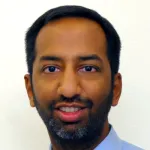
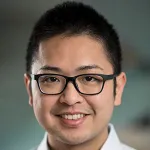
Photo of Dr. Sui Wang, Assistant Professor of Ophthalmology at Stanford University.

Sui Wang - Assistant Professor of Ophthalmology

Bio-X Affiliated Faculty

Dr. Sui Wang's group's research focuses on understanding the molecular mechanisms that underlie retinal development and diseases. They utilize genetic and genomic tools to uncover how different types of retinal cells, including retinal neurons, glia and the vasculature, respond to developmental cues and disease insults at the epigenomic and transcriptional levels, and how they interact and collectively contribute to the integrity of the retina.

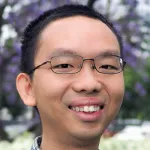
Photo of Dr. Matthew Wheeler, Associate Professor of Medicine (Cardiovascular Medicine) at Stanford University.

Matthew Wheeler - Associate Professor of Medicine (Cardiovascular Medicine)

Bio-X Affiliated Faculty

Dr. Matthew Wheeler is a physician scientist with interests in cardiomyopathies, rare and undiagnosed diseases, therapeutics and genomics. Dr. Wheeler has research training in both myocardial and skeletal muscle biology and genetics, genomics, and multi-scale networks and is a physician with interest and experience treating patients with hypertrophic cardiomyopathy and other inherited cardiomyopathies. I have clinical training in medicine, cardiology, cardiovascular genetics, and advanced heart failure.

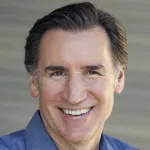
Photo of Dr. Eran Bendavid, Associate Professor of Medicine at Stanford University.

Eran Bendavid - Associate Professor of Medicine (Primary Care & Population Health) and (by courtesy) of Health Research & Policy

Bio-X Affiliated Faculty

Dr. Eran Bendavid's research interests involve understanding the relationship between policies and health outcomes in developing countries. Dr. Bendavid explores how decisions about foreign assistance for health are made, and how those decisions affect health and health delivery systems in recipient countries. He further explores issues of resource allocation in low and middle-income countries through disease modeling and cost-effectiveness analyses.

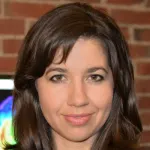
Photo of Dr. Anand Veeravagu, Assistant Professor of Neurosurgery at Stanford University.

Anand Veeravagu - Assistant Professor of Neurosurgery and (by courtesy) of Orthopaedic Surgery

Bio-X Affiliated Faculty

Dr. Anand Veeravagu's research efforts are focused on the utilization of large national databases to assess cost, quality, and effectiveness of various treatment alogirthms as well as predictive analytics. Dr. Veeravagu is also an author and writes about current events, health policy, and public health-related topics for the San Francisco Chronicle, The Daily Beast, The BBC, and the Huffington Post.

Photo of Dr. Derek Amanatullah, Assistant Professor of Orthopaedic Surgery at Stanford University.

Derek Amanatullah - Assistant Professor of Orthopaedic Surgery

Bio-X Affiliated Faculty

Dr. Derek Amanatullah specializes in hip and knee replacements for individuals with osteoarthritis, rheumatoid arthritis, infectious arthritis and avascular necrosis. He also performs revision surgeries of knee and hip implants with problems.

Dr. Amanatullah's group works in novel approaches to diagnosing and treating implant associated infections, focusing on antibiotic independent or synergistic methods.

Photo of Dr. Adrian Lew, Professor of Mechanical Engineering at Stanford University.

Adrian Lew - Professor of Mechanical Engineering

Bio-X Affiliated Faculty

Dr. Adrian Lew's interests lie in the broad area of computational solid mechanics. He is concerned with the fundamental design and mathematical analysis of material models and numerical algorithms.

Currently, Dr. Lew's group is focused on the design of algorithms to simulate hydraulic fracturing. To this end, they work on algorithms for time-integration embedded or immersed boundary methods.

Photo of Dr. Carlos Milla, Professor of Pediatrics.

Carlos Milla - Professor of Pediatrics (Pulmonary Medicine)

Bio-X Affiliated Faculty

Dr. Carlos Milla's research interests have centered on the inflammatory responses that lead to airway disease in Cystic Fibrosis (CF) and the metabolic factors that contribute to CF lung disease progression. Current efforts are focused on the understanding of the early events that drive the development of lung disease through the study of infants with CF identified by newborn screening. This includes the development of new diagnostic tools that permit the early detection of lung disease manifestations.

Pages