Over 1,300 faculty are affiliated with Stanford Bio-X and are eligible to apply for our grants and be notified about fundraising opportunities, collaborations with industries, events, courses and available facilities and instruments. Learn how to become an affiliate!

Search Stanford Bio-X affiliated faculty

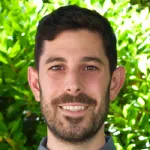
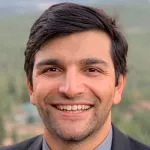
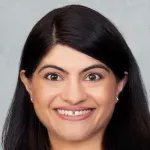
Headshot photo of Dr. Akshay Chaudhari, Assistant Professor of Radiology at Stanford University.

Akshay Chaudhari - Assistant Professor (Research) of Radiology

Bio-X Affiliated Faculty

Dr. Akshay Chaudhari is an Assistant Professor of research in the Integrative Biomedical Imaging Informatics at Stanford (IBIIS) section in the Department of Radiology. His primary research interests lie at the intersection of artificial intelligence and medical imaging. Dr. Chaudhari graduated from UCSD with a B.S. in Bioengineering in 2012. He completed his Ph.D.

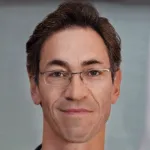
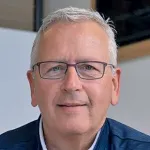
Photo of Dr. Joseph DeSimone, Professor of Radiology and of Chemical Engineering at Stanford University.

Joseph DeSimone - Sanjiv Sam Gambhir Professor of Translational Medicine, Professor of Chemical Engineering and (by courtesy) of Chemistry and of Operations, Information & Technology at the Graduate School of Business

Clark Center Faculty, Bio-X Affiliated Faculty

Joseph M. DeSimone is the Sanjiv Sam Gambhir Professor of Translational Medicine and Chemical Engineering at Stanford University. He holds appointments in the Departments of Radiology and Chemical Engineering with courtesy appointments in the Department of Chemistry and in Stanford’s Graduate School of Business.

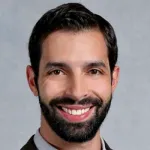
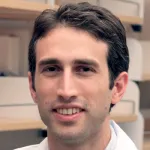
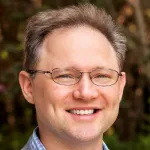
Photo of Dr. Grant Rotskoff, Assistant Professor of Chemistry at Stanford University.

Grant Rotskoff - Assistant Professor of Chemistry

Bio-X Affiliated Faculty

Dr. Grant Rotskoff's research focuses on theoretical and computational approaches to "mesoscale" biophysics. Many of the cellular phenomena that we consider the hallmarks of living systems occur at the scale of hundreds or thousands of proteins. Processes like the self-assembly of organelle-sized structures, the dynamics of cell division, and the transduction of signals from the environment to the machinery of the cell are not macroscopic phenomena—they are the result of a fluctuating, nonequilibrium dynamics.

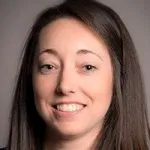
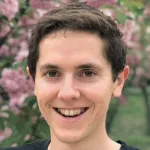
Photo of Dr. Surbhi Sidana, Assistant Professor of Medicine (Blood and Marrow Transplantation) at Stanford University.

Surbhi Sidana - Assistant Professor of Medicine (Blood & Marrow Transplantation)

Bio-X Affiliated Faculty

Dr. Surbhi Sidana specializes in the treatment of plasma cell disorders, such as multiple myeloma, amyloidosis and related disorders. Her research focuses on the development of novel therapeutic approaches, biomarkers and management of treatment toxicity in this field. Dr. Sidana's expertise includes blood and marrow transplantation and CAR-T cell therapy.

Photo of Dr. Danny Chou, Assistant Professor of Pediatrics (Endocrinology) at Stanford University.

Danny Chou - Assistant Professor of Pediatrics (Endocrinology)

Bio-X Affiliated Faculty

Dr. Danny Chou's research program integrates concepts of chemical biology, protein engineering and structure biology to design new therapeutic leads and generate probes to study biological processes. A key focus of the Chou lab is insulin, an essential hormone in our body to reduce blood glucose levels. The lab generates synthetic libraries of insulin analogs to select for chemical probes, and investigates natural insulin molecules (e.g. from the venom of fish-hunting cone snails!) to develop novel therapeutic candidates. Dr.

Photo of Dr. Gary Darmstadt, Professor of Pediatrics at Stanford University.

Gary Darmstadt - Professor (Teaching) of Pediatrics (Neonatology)

Bio-X Affiliated Faculty

Dr. Gary Darmstadt's research focuses on advancing child health and development in low resource settings and advancing gender equality and health globally. His research spans intervention development and introduction as well as processes of scaling up delivery of innovations in developing countries.

Pages