Over 1,300 faculty are affiliated with Stanford Bio-X and are eligible to apply for our grants and be notified about fundraising opportunities, collaborations with industries, events, courses and available facilities and instruments. Learn how to become an affiliate!

Search Stanford Bio-X affiliated faculty

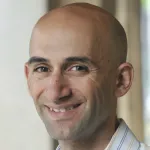
Photo of Dr. Natalie Torok, Professor of Medicine at Stanford University.

Natalie Torok - Professor of Medicine (Gastroenterology & Hepatology)

Bio-X Affiliated Faculty

Dr. Natalie Torok's lab investigates the molecular mechanisms of liver fibrosis,  focusing on the role of oxidative pathways in non-alcoholic and alcoholic steatohepatitis.

Dr. Torok's lab has demonstrated the intricate link between hepatocyte cell death, generation of apoptotic bodies and their phagocytosis by stellate cells triggering fibrogenic activation. Key to this was the activation of the NADPH oxidase and production of reactive oxidative species inducing stellate cell transdifferentiation and collagen I transcription.

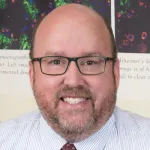
Photo of Dr. Sohail Husain, Professor of Pediatrics at Stanford University.

Sohail Husain - Professor of Pediatrics (Gastroenterology)

Bio-X Affiliated Faculty

Dr. Sohail Husain is a Physician-Scientist in Pediatric Gastroenterology, whose overarching research goal is to come up with targeted therapies for exocrine pancreatic disorders, particularly pancreatitis. Dr. Husain's lab studies three broad areas of the exocrine pancreas: (1) The crucial signaling pathways that initiate and transduce pancreatitis; (2) the factors that turn on pancreatic regeneration and recovery after pancreatic injury; and (3) the mechanisms underlying drug-induced pancreatitis.

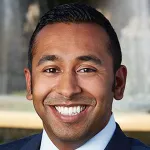
Photo of Dr. Anna Gloyn, Professor of Pediatrics at Stanford University.

Anna Gloyn - Professor of Pediatrics (Endocrinology) and (by courtesy) of Genetics

Bio-X Affiliated Faculty

The consistent focus of Dr. Anna Gloyn's research has been using naturally occurring mutations in humans as tools to identity critical regulatory pathways and insights into normal physiology. Her early post-doctoral research led to the identification a new genetic aetiology for permanent and transient neonatal diabetes due to KCNJ11 mutations and resulted in one of the first examples of precision medicine, where the determination of the molecular genetic aetiology lead to improved treatment options for patients. Whilst she was in Oxford, Dr.

Photo of Dr. Yueh-Hsiu Chien, Professor of Microbiology & Immunology at Stanford University.

Yueh-hsiu Chien - Professor of Microbiology & Immunology

Bio-X Affiliated Faculty

One of Dr. Yueh-hsiu Chien's main research focuses is to define γδ T cell function so that we can better understand host immune defense. γδ T cells, together with B cells and αβ T cells, are the only cells that use somatic V, D, J gene rearrangement to generate diverse antigen receptors. All three types of cells are present together in all but the most primitive vertebrates, suggesting that each population contributes to host immune competence uniquely and that all three are necessary for maintaining immune competence.

Photo of Dr. Kanwaljeet Sunny Anand, Professor of Pediatrics and Anesthesiology at Stanford University.

Sunny Anand - Professor of Pediatrics (Pediatric Critical Care) and Anesthesiology, Perioperative & Pain Medicine

Bio-X Affiliated Faculty

Dr. Kanwaljeet Sunny Anand is a translational clinical researcher who pioneered research on the endocrine-metabolic stress responses of infants undergoing surgery and developed the first-ever scientific rationale for pain perception in early life. This provided a framework for newer methods of pain assessment, numerous clinical trials of analgesia/anesthesia in newborns, infants and older children.

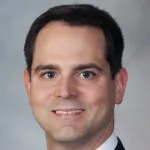
Photo of Dr. Timothy Meyer, Professor of Medicine (Nephrology) at Stanford University.

Timothy Meyer - Stanford University Professor of Nephrology, Emeritus

Bio-X Affiliated Faculty

Inadequate removal of uremic solutes contributes to widespread illness in the more than 500,000 Americans maintained on dialysis. But researchers know remarkably little about these solutes. Dr. Timothy Meyer's research efforts are focused on identifying which uremic solutes are toxic, how these solutes are made, and how their production could be decreased or their removal could be increased. Dr. Meyer's group hopes to improve treatment by finding out more about what we are trying to remove.

Photo of Dr. Wendy Gu, Assistant Professor of Mechanical Engineering at Stanford University.

Wendy Gu - Assistant Professor of Mechanical Engineering and (by courtesy) Materials Science & Engineering

Bio-X Affiliated Faculty

Dr. Wendy Gu's group studies the mechanical behavior of nanomaterials. They work at the intersection of solid mechanics, materials science and nano-chemistry. They research the unique properties of nanoscale metals, ceramics and nano-architected composites in order to design strong, tough and lightweight structural materials, materials for extreme environments, and mechanically-actuated sensors. The Gu group's experimental tools include nanoindentation, electron microscopy, and colloidal synthesis.

Photo of Dr. Marshall Burke, Assistant Professor of Earth System Science at Stanford University.

Marshall Burke - Assistant Professor of Earth System Science

Bio-X Affiliated Faculty

Dr. Marshall Burke is an assistant professor in the Department of Earth System Science, deputy director at the Center on Food Security and the Environment, and center fellow at the Freeman Spogli Institute for International Studies (FSI) at Stanford University. He is also a faculty research fellow at the National Bureau of Economic Research, and a co-founder of AtlasAI, a remote sensing start-up.

Pages