
Over 1,300 faculty are affiliated with Stanford Bio-X and are eligible to apply for our grants and be notified about fundraising opportunities, collaborations with industries, events, courses and available facilities and instruments. Learn how to become an affiliate!

Search Stanford Bio-X affiliated faculty

Headshot portrait of Virginia D. Winn - Professor of Obstetrics & Gynecology (Reproductive & Stem Cell Biology)

Virginia D. Winn - Professor of Obstetrics & Gynecology (Reproductive & Stem Cell Biology)

Bio-X Affiliated Faculty
The Winn Laboratory seeks to understand both normal and abnormal human placental development and biology as it relates to pregnancy health and obstetric complications. Through a combination of molecular, cellular, tissue and translational studies, a primary focus of the lab is understanding preeclampsia pathogenesis.
Headshot portrait of Teresa Nicolson - Professor of Otolaryngology

Teresa Nicolson - Professor of Otolaryngology

Bio-X Affiliated Faculty
Dr. Nicolson's lab is interested in the senses of balance and hearing and have undertaken a forward genetics approach with zebrafish to identify genes that are required for function of the auditory/vestibular system.
Headshot portrait of Kevin Boyce - Professor of Geological Sciences

Kevin Boyce - Professor of Geological Sciences

Bio-X Affiliated Faculty
Dr. Boyce's research is focused on the biological and environmental impacts of the evolution of plant structure, development, and physiology from the Paleozoic colonization of land through the subsequent radiations of land plant form up to and including the Cretaceous radiation of flowering plants.
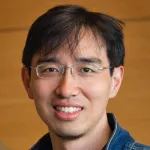
Headshot photo of a smiling Asian male faculty member with glasses, Dr. Le Cong, Assistant Professor of Pathology and Genetics at Stanford University.

Le Cong - Assistant Professor of Pathology (Pathology Research) and of Genetics

Bio-X Affiliated Faculty
The Cong lab develops novel technologies at the intersection of genome engineering, single-cell analysis, and computational genomics. They focus on immune-related disease to employ these tools for understanding cancer immunology, neuro-immunology, and mechanistic insights that may lead to transformative diagnostics or therapeutics with tailored genetic/epigenetic approaches.

Pages