Over 1,300 faculty are affiliated with Stanford Bio-X and are eligible to apply for our grants and be notified about fundraising opportunities, collaborations with industries, events, courses and available facilities and instruments. Learn how to become an affiliate!

Search Stanford Bio-X affiliated faculty

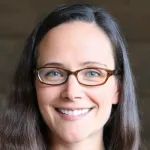
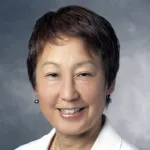
Headshot portrait of Zara M. Patel - Associate Professor of Otolaryngology/Head and Neck Surgery (Rhinology) and (by courtesy) of Neurosurgery

Zara M. Patel - Associate Professor of Otolaryngology/Head and Neck Surgery (Rhinology) and (by courtesy) of Neurosurgery

Bio-X Affiliated Faculty

Dr. Patel is an expert in advanced endoscopic sinus and skull base surgery. She treats patients with a wide variety of rhinologic complaints, including chronic sinus infection or inflammation, sinus disease that has failed medical therapy, sinus disease that has failed prior surgical therapy, cerebrospinal fluid leaks, benign and and malignant sinus and skull base tumors, as well as olfactory disorders.

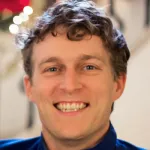
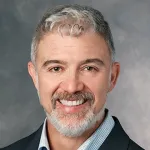
Headshot portrait of Robson Capasso - Associate Professor of Otolaryngology - Head & Neck Surgery (Sleep Surgery)

Robson Capasso - Associate Professor of Otolaryngology - Head & Neck Surgery (Sleep Surgery)

Bio-X Affiliated Faculty

Dr. Capasso's current research interests have a focus on clinical utilization of smartphone applications and consumer based devices for sleep disordered breathing, biomarkers for obstructive sleep apnea, pre-surgical evaluation and upper airway changes after surgery in obstructive sleep apnea sufferers.

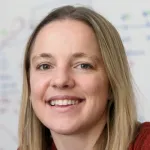
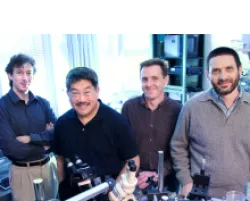
Headshot portrait of Virginia D. Winn - Professor of Obstetrics & Gynecology (Reproductive & Stem Cell Biology)

Virginia D. Winn - Professor of Obstetrics & Gynecology (Reproductive & Stem Cell Biology)

Bio-X Affiliated Faculty
The Winn Laboratory seeks to understand both normal and abnormal human placental development and biology as it relates to pregnancy health and obstetric complications. Through a combination of molecular, cellular, tissue and translational studies, a primary focus of the lab is understanding preeclampsia pathogenesis.

Pages