Over 1,300 faculty are affiliated with Stanford Bio-X and are eligible to apply for our grants and be notified about fundraising opportunities, collaborations with industries, events, courses and available facilities and instruments. Learn how to become an affiliate!

Search Stanford Bio-X affiliated faculty

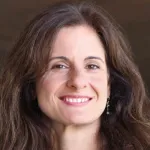
Headshot photo of Dr. Naisde Gozde Durmus, Assistant Professor of Radiology at Stanford University

Naside Gozde Durmus - Assistant Professor (Research) of Radiology (Molecular Imaging Program at Stanford)

Bio-X Affiliated Faculty

Dr. Gozde Durmus's research focuses on applying micro/nano-technologies to investigate cellular heterogeneity for single-cell analysis and personalized medicine. At Stanford, she is developing platform technologies for sorting and monitoring cells at the single-cell resolution. This magnetic levitation-based technology is used for wide range of applications in medicine, such as, label-free detection of circulating tumor cells (CTCs) from blood; high-throughput drug screening; and rapid detection and monitoring of antibiotic resistance in real-time.
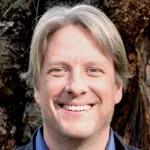
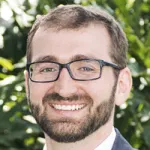
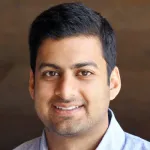
Photo of Dr. Kilian Pohl, Associate Professor of Psychiatry & Behavioral Sciences at Stanford University

Kilian Pohl - Associate Professor (Research) of Psychiatry & Behavioral Sciences (Public Mental Health & Population Sciences)

Bio-X Affiliated Faculty

The foundation of Dr. Kilian Pohl's laboratory is computational science aimed at identifying biomedical phenotypes improving the mechanistic understanding, diagnosis, and treatment of neuropsychiatric disorders. The biomedical phenotypes are discovered by unbiased, machine learning-based searches across biological, neuroimaging, and neuropsychological data.

Photo of Dr. Lawrence Fung, Assistant Professor of Psychiatry & Behavioral Sciences at Stanford University

Lawrence Fung - Assistant Professor of Psychiatry & Behavioral Sciences

Bio-X Affiliated Faculty

Dr. Lawrence Fung is a child and adolescent psychiatrist with specialized clinical training in autism spectrum disorder (ASD) and advanced research training in chemical engineering, neuropsychopharmacology, and neuroimaging. He has extensive work experience in pharmaceutical research and development, including the discovery and development of a GABA(A) receptor agonist for the treatment of insomnia and anxiety.

Photo of Dr. Monther Abu-Remaileh, Assistant Professor of Chemical Engineering at Stanford University

Monther Abu-Remaileh - Assistant Professor of Chemical Engineering and (by courtesy) of Genetics and Institute Scholar of ChEM-H

Bio-X Affiliated Faculty

Dr. Monther Abu-Remaileh's lab is interested in identifying novel pathways that enable cellular and organismal adaptation to metabolic stress and changes in environmental conditions. The lab also studies how these pathways go awry in human diseases such as cancer, neurodegeneration and metabolic syndrome, in order to engineer new therapeutic modalities.

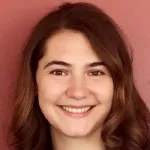
Photo of Dr. Inma Cobos, Assistant Professor of Pathology at Stanford University

Inmaculada Cobos - Assistant Professor of Pathology

Bio-X Affiliated Faculty

Dr. Inma Cobos is a neuropathologist and neuroscientist with expertise in neurodegeneration. Her research program combines her background in diagnostic neuropathology, knowledge of developmental neuroscience, and state-of-the-art cellular and molecular technologies to advance the understanding of Alzheimer’s disease and related dementias. She is currently applying single-cell methods to human brain to dissect the contributions of distinct cell types to Alzheimer’s disease pathogenesis and investigate the mechanisms of tau-mediated neurodegeneration in human brain.

Photo of Dr. Ansuman Satpathy, Associate Professor of Pathology at Stanford University

Ansuman Satpathy - Associate Professor of Pathology

Bio-X Affiliated Faculty

Dr. Ansuman Satpathy, M.D., Ph.D., is a physician-scientist and Associate Professor of Pathology and Immunology at Stanford University. He is the director of the Stanford Center for Immunotherapy Design, co-director of the Parker Institute for Cancer Immunotherapy, and co-director of the Immunotherapy Program in the Stanford Cancer Institute. Ansu's research combines expertise in immunology, high-throughput genomics, and computation to discover principles of the immune system in health and disease and to translate these discoveries into novel clinical therapeutics.

Pages